

What Is DAP vs DDP in Incoterms?
DAP vs DDP refers to two international shipping terms that define who is responsible for delivery, customs clearance, and import duties.
First, Incoterms (International Commercial Terms) are standardized trade rules published by the International Chamber of Commerce. These terms clearly define who pays for shipping, who takes risk, and who handles customs.
For example, if you’re exporting boxing gloves from Sialkot to the USA, choosing between DAP and DDP determines whether your buyer or you pay import duties and taxes.
👉 DAP (Delivered at Place) means delivery without duties paid.
👉 DDP (Delivered Duty Paid) means delivery with all costs included.
The main difference between DAP and DDP is who pays import duties and handles customs clearance.
Why Does DAP vs DDP Matter in International Shipping?
DAP vs DDP matters because it directly impacts cost control, risk management, and shipment delivery efficiency.
First, choosing the wrong Incoterm can increase your total landed cost. According to industry data, unexpected customs charges increase shipping costs by up to 15–25% — Source: DHL Logistics Report, 2023.
Second, it affects who handles customs clearance. If handled incorrectly, shipments can get stuck at the port.
For example, a seller using DDP without proper tax registration in the destination country can face delays of 5–10 days — Source: World Bank Logistics Performance Index, 2023.
👉 Incorrect Incoterm selection can result in delays, unexpected costs, and customs complications.
What Is DAP (Delivered at Place) and How Does It Work?
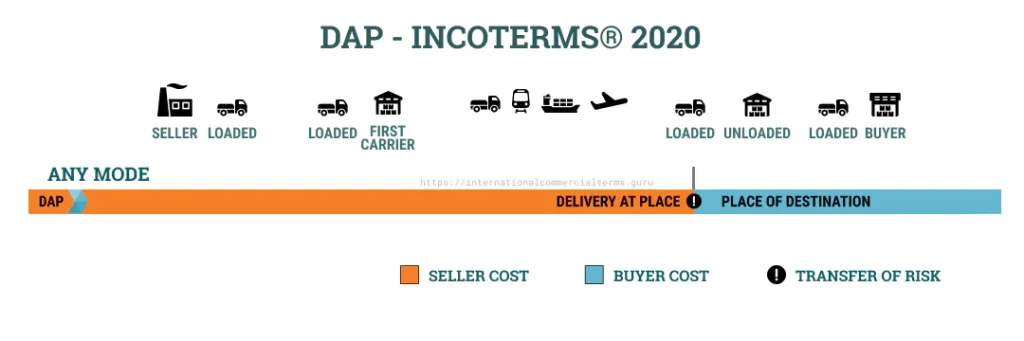
DAP (Delivered at Place) is an Incoterm where the seller delivers goods to the destination, but the buyer is responsible for import duties and taxes.
Seller Responsibilities in DAP
First, under DAP, the seller handles:
- Export clearance
- Freight costs
- Delivery to final destination
For example, if you ship MMA gear to the UK under DAP, you will deliver it to the buyer’s warehouse, but the buyer pays import VAT and duties.
Buyer Responsibilities in DAP
Second, the buyer is responsible for:
- Import customs clearance
- Duties and taxes
- Unloading goods
👉 DAP offers more control to buyers, especially those experienced in handling customs.
Risk Transfer in DAP
Third, risk transfers when goods arrive at the destination. This means:
- Seller bears risk during transit
- Buyer takes risk upon arrival
What Is DDP (Delivered Duty Paid) and How Does It Work?
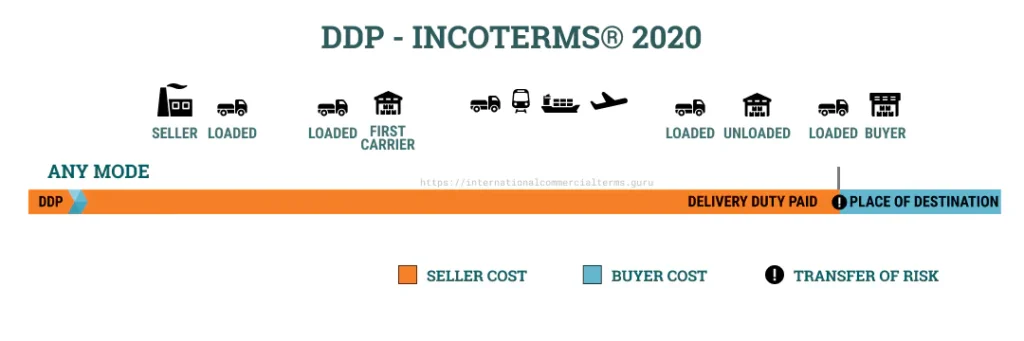
DDP (Delivered Duty Paid) is an Incoterm where the seller assumes full responsibility for delivery, including customs duties and taxes.
Seller Responsibilities in DDP
First, under DDP, the seller handles EVERYTHING:
- Export clearance
- Freight
- Import clearance
- Duties & taxes
For example, if you sell customized hoodies to a US customer under DDP, you pay all shipping and customs charges upfront.
Buyer Responsibilities in DDP
Second, the buyer simply:
- Receives the goods
- Has zero involvement in customs
👉 DDP is ideal for eCommerce businesses where customers expect a smooth, all-inclusive experience.
Risk Transfer in DDP
Third, risk remains with the seller until final delivery.
👉 DDP increases seller responsibility but improves customer experience.
What Are the Key Differences Between DAP and DDP?
The key differences between DAP and DDP lie in cost responsibility, customs clearance, and risk ownership.
Side-by-Side Comparison
| Factor | DAP (Delivered at Place) | DDP (Delivered Duty Paid) |
|---|---|---|
| Duties & Taxes | Paid by buyer | Paid by seller |
| Customs Clearance | Buyer handles | Seller handles |
| Risk Transfer | At destination | At final delivery |
| Cost Transparency | Higher for seller | Lower (hidden costs possible) |
| Best For | B2B shipments | eCommerce/B2C |
👉 DAP is control-focused, while DDP is convenience-focused.
Cost Impact Comparison
First, DDP often appears more expensive because sellers include:
- Duties
- Taxes
- Brokerage fees
For example, a $1,000 shipment can incur $150–$300 additional charges under DDP — Source: Freightos, 2024.
When Should You Use DAP vs DDP?
DAP vs DDP should be chosen based on shipment type, buyer experience, and customs complexity.
When to Use DAP
First, choose DAP when:
- Buyer has customs expertise
- You want to avoid tax liabilities
- B2B transactions
For example, bulk exports of sports goods to distributors work best under DAP.
When to Use DDP
Second, choose DDP when:
- Selling to individual customers
- eCommerce shipments
- Customer convenience is priority
For example, Shopify stores shipping globally often use DDP to avoid customer complaints.
👉 Choosing between DAP and DDP depends on cost control, risk tolerance, and the buyer’s ability to manage customs clearance.
What Are the Risks of Using DDP Shipping?
DDP shipping carries risks related to tax compliance, hidden costs, and legal responsibility.
First, sellers must understand local tax laws. Without proper registration, shipments can be delayed or fined.
Second, DDP often includes hidden charges. For example, customs brokers may add fees not disclosed upfront.
👉 According to logistics data, over 30% of DDP shipments face unexpected charges — Source: Logistics Management, 2024.
Third, exchange rate fluctuations can impact total cost.
👉 DDP shipping risks increase when sellers lack local market knowledge.
What Tools Help You Manage DAP and DDP Shipments?
Managing DAP and DDP shipments requires tools for freight booking, cost estimation, and customs handling.
Freight Forwarders
First, you can use professional services.
[Internal link: freight forwarding services explained → suggested target page/topic]
👉 A freight forwarder helps manage:
- Shipping routes
- Documentation
- Customs coordination
Shipping Calculators
Second, cost estimation tools help calculate duties.
[Insert image: Shipping cost calculator dashboard | Alt text: “Calculate international shipping cost for DDP shipments”]
Documentation Tools
Third, you need accurate paperwork.
👉 Missing documents can delay shipments by 3–7 days — Source: ICC Trade Report, 2023.
What Should You Do Next to Choose the Right Incoterm?
Choosing the right Incoterm involves evaluating cost, responsibility, and customer expectations.
Step-by-Step Decision Framework
- Identify your buyer type (B2B or B2C)
- Assess customs expertise
- Calculate total landed cost
- Evaluate risk tolerance
For example, if you’re shipping via express courier:
Questions to Ask Your Freight Forwarder
- Who handles customs clearance?
- Are duties included in the quote?
- What are the hidden charges?
👉 Asking these questions prevents costly mistakes.
Conclusion
DAP vs DDP is not about which is better—it’s about which fits your business model.
First, DAP gives you cost control and flexibility.
Second, DDP offers convenience and better customer experience.
👉 Both Incoterms serve different purposes and can complement each other depending on your shipment strategy.
By understanding these differences, you can avoid costly mistakes and make smarter logistics decisions.
Written by Abu Bakar Butt — Logistics Expert & Founder of Qaas Freight System (Air & Sea Freight Specialist)
Reviewed by Logistics Strategy Team — International Shipping & Trade Compliance Experts
Disclaimer: This article was initially drafted using AI assistance. However, the content has undergone thorough revisions, editing, and fact-checking by human editors and subject matter experts to ensure accuracy.
