

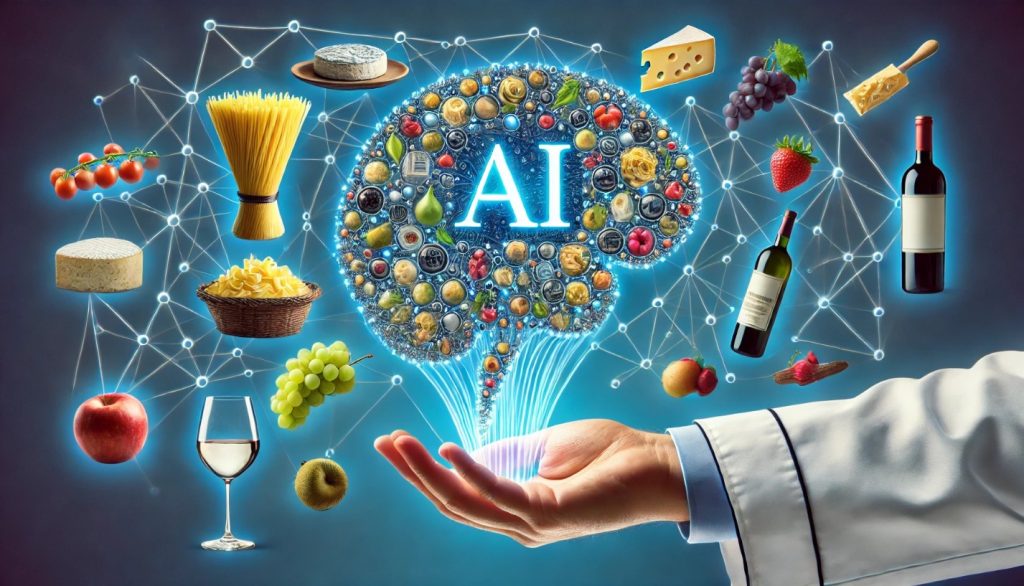
The global food supply chain is undergoing a major transformation—and at the center of this revolution is Artificial Intelligence (AI). From predicting demand to reducing food waste and optimizing logistics, AI is reshaping how food moves from farms to consumers.
For businesses in logistics, distribution, and exports—especially in emerging markets like Pakistan—this shift presents both a challenge and a massive opportunity.
In this blog, we explore how AI is changing food supply chains, the key technologies involved, and what it means for companies looking to stay competitive.
Why Food Supply Chains Need AI
Food supply chains are among the most complex and fragile systems in the world. Unlike other goods, food is perishable, seasonal, and highly sensitive to delays.
Key challenges include:
- Demand unpredictability
- Short shelf life of products
- Transportation disruptions
- Inventory mismanagement
- Food waste
Traditional systems struggle to handle these variables. This is where AI steps in—bringing data-driven precision and automation.
1. AI-Powered Demand Forecasting
One of the biggest breakthroughs AI brings is accurate demand prediction.
AI systems analyze:
- Historical sales data
- Weather patterns
- Consumer trends
- Seasonal demand
This allows companies to forecast demand with far greater accuracy than traditional models.
Impact:
- Reduced overproduction
- Better inventory planning
- Lower operational costs
For exporters in Pakistan, this means producing the right quantity for international markets without risking excess stock.
2. Smart Logistics and Route Optimization
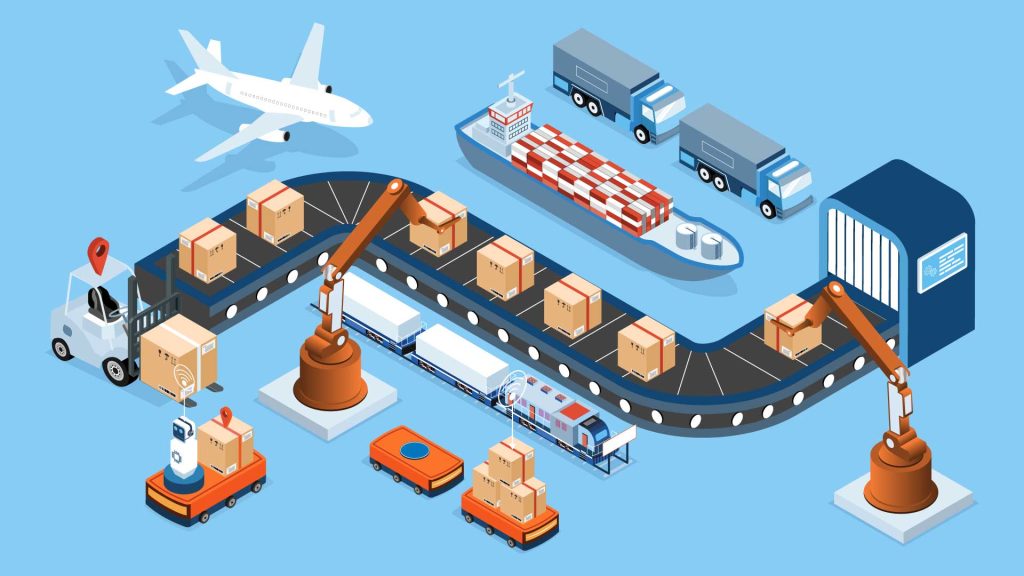
Transportation is a major cost driver in food supply chains. AI is revolutionizing logistics through real-time optimization.
AI tools can:
- Suggest fastest delivery routes
- Avoid traffic and disruptions
- Optimize fuel usage
- Predict delivery delays
Example:
AI can reroute a shipment instantly if there’s a port congestion or weather disruption—minimizing spoilage.
Impact:
- Faster deliveries
- Reduced fuel costs
- Improved customer satisfaction
For logistics companies like Qaas Freight System, adopting AI can significantly improve efficiency and reliability.
3. Reducing Food Waste with AI
Globally, nearly one-third of food is wasted. AI is helping tackle this issue at every stage of the supply chain.
AI helps by:
- Monitoring storage conditions
- Predicting expiration timelines
- Optimizing stock rotation
Technologies Used:
- IoT sensors
- Machine learning algorithms
- Predictive analytics
Impact:
- Reduced waste
- Increased profitability
- Sustainable operations
This is especially important for exporters dealing with perishable goods like fruits, vegetables, and meat.
4. AI in Cold Chain Management
Maintaining temperature control is critical in food logistics.
AI-powered systems monitor:
- Temperature fluctuations
- Humidity levels
- Equipment performance
If something goes wrong, AI can trigger alerts in real time.
Impact:
- Prevent spoilage
- Ensure compliance with international standards
- Improve product quality
For Pakistani exporters targeting the US and Europe, this is essential for meeting strict import regulations.
5. Automation in Warehousing
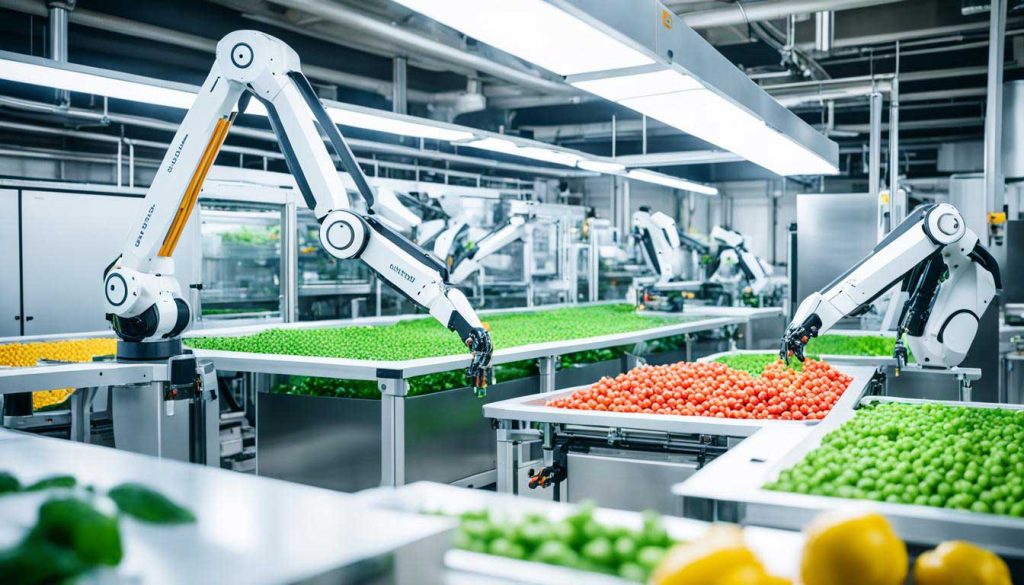
AI-driven automation is transforming food storage and distribution centers.
Examples include:
- Robotic picking systems
- Automated sorting
- Smart inventory management
Benefits:
- Faster order processing
- Reduced labor costs
- Fewer human errors
Warehouses are becoming smarter, faster, and more scalable.

6. Enhanced Supply Chain Visibility
AI provides end-to-end visibility across the supply chain.
Businesses can track:
- Shipment location in real time
- Inventory levels
- Supplier performance
Impact:
- Better decision-making
- Faster response to disruptions
- Increased transparency
This is crucial in today’s volatile global trade environment.
7. AI and Risk Management
Recent global disruptions—from pandemics to geopolitical conflicts—have exposed vulnerabilities in food supply chains.
AI helps companies:
- Identify risks early
- Simulate different scenarios
- Build resilient supply networks
Example:
AI can predict supply shortages based on global trends and suggest alternative sourcing strategies.
What This Means for Pakistani Exporters
Pakistan has strong potential in food exports, including:
- Rice
- Fruits (mangoes, citrus)
- Meat
- Processed foods
By adopting AI-driven logistics and supply chain strategies, exporters can:
- Compete globally
- Reduce losses
- Improve delivery timelines
- Meet international standards
Challenges of Implementing AI
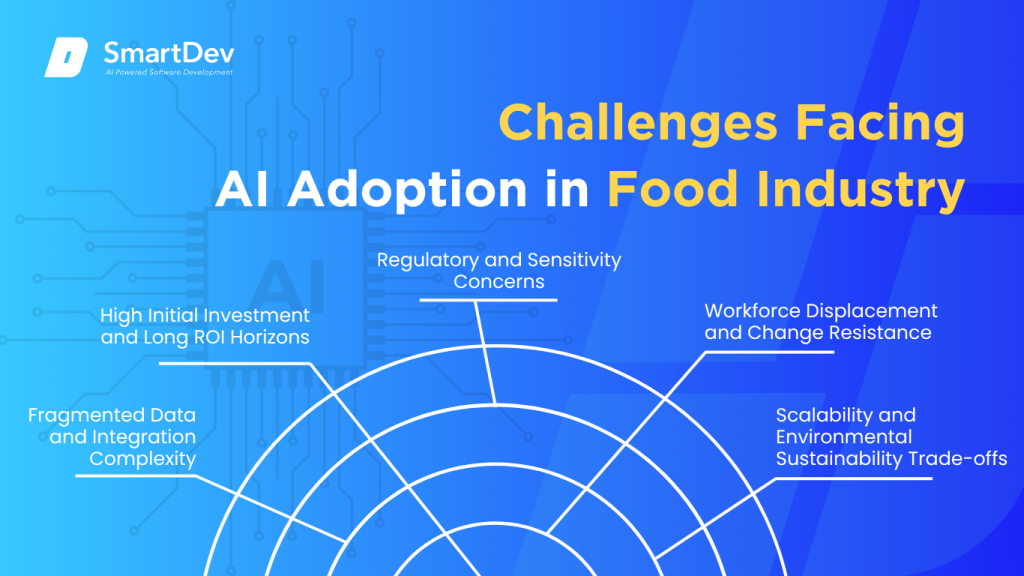
Despite its benefits, AI adoption comes with challenges:
- High initial investment
- Lack of technical expertise
- Data integration issues
- Resistance to change
However, the long-term benefits far outweigh the costs.
The Future of AI in Food Supply Chains
AI is not just a trend—it’s the future.
In the coming years, we can expect:
- Fully automated supply chains
- AI-driven procurement systems
- Blockchain + AI integration for transparency
- Hyper-personalized demand forecasting
Companies that adopt AI early will gain a significant competitive edge.
Final Thoughts
Artificial Intelligence is redefining how food supply chains operate. From farm to fork, every stage is becoming smarter, faster, and more efficient.
For logistics providers and exporters—especially in Pakistan—this is the time to embrace AI and transform operations.
Businesses that fail to adapt risk being left behind in an increasingly data-driven global market.
