

You already know that air freight is faster and sea freight is cheaper; however, that’s only the surface. In reality, the difference between air freight and sea freight goes much deeper into cost structure, scalability, and overall business impact.
Therefore, in this guide, you’ll clearly understand how both methods compare so you can make smarter and more profitable shipping decisions.
Key Takeaways
Before diving deeper, here are the most important points:
- Air freight is best for fast, high-value shipments
- Sea freight is ideal for large, cost-sensitive cargo
- Air freight is 4–6 times more expensive; however, it is significantly faster
- Sea freight offers lower cost per unit, but it requires longer transit times
- Ultimately, the right choice depends on urgency, shipment size, and product value
- In many cases, combining both methods improves supply chain efficiency
What Is the Difference Between Air Freight and Sea Freight?
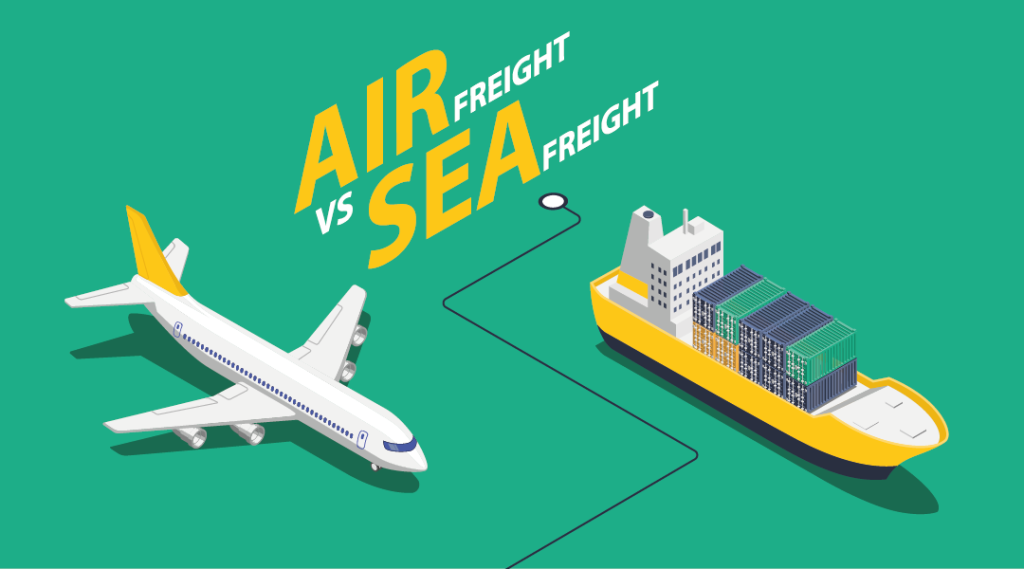
The difference between air freight and sea freight mainly lies in speed, cost structure, and shipment capacity.
First, air freight involves transporting goods via aircraft; therefore, it is the fastest international shipping method. For example, shipments from Pakistan to the USA typically arrive within 3–5 days.
On the other hand, sea freight uses cargo vessels. As a result, delivery takes longer—usually between 25–40 days. However, it can reduce shipping costs by up to 70%.
If you’re looking for reliable logistics support, you can explore professional freight solutions here:
https://qaasfreight.com/
In short, air freight focuses on speed, whereas sea freight prioritizes cost efficiency.
Why Understanding This Difference Matters
Understanding this difference is crucial because logistics directly affects your profitability.
First of all, logistics costs account for approximately 8–12% of product value. Therefore, choosing the wrong shipping method can quickly reduce your margins.
In addition, faster shipping improves customer satisfaction. For example, in eCommerce, quicker delivery often leads to higher retention rates.
Moreover, selecting the right method improves inventory planning and operational efficiency. As a result, businesses gain a competitive advantage.
What Is Air Freight and How Does It Work?
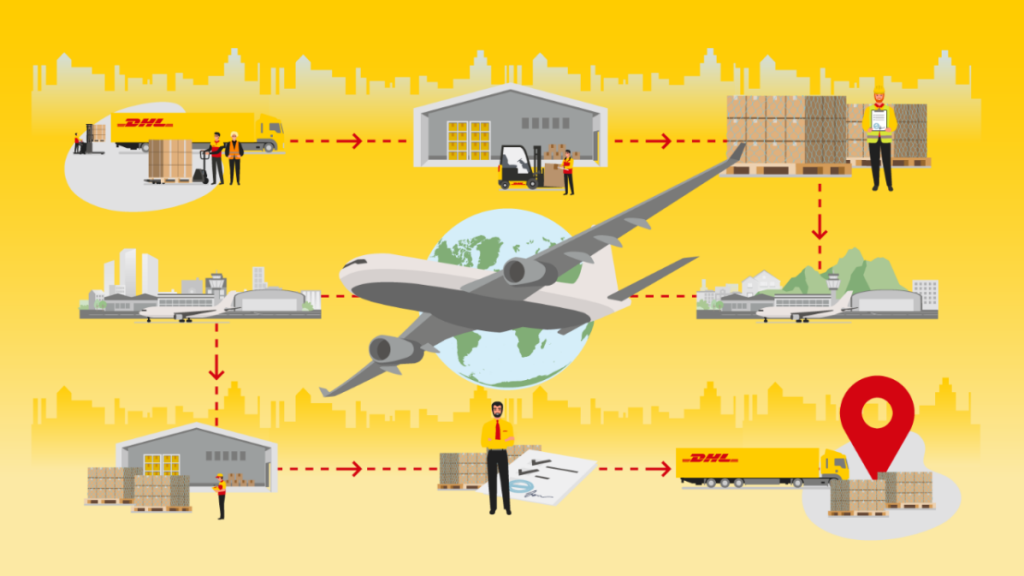
Air freight refers to transporting goods via aircraft. As expected, it is primarily used for urgent and time-sensitive shipments.
Air Freight Cost Structure
Air freight pricing is based on chargeable weight. In other words, it compares actual weight with volumetric weight.
For example, a lightweight but bulky package may be charged based on volume instead of actual weight.
Advantages of Air Freight
There are several advantages:
- Fast delivery (1–7 days)
- High security
- Reliable schedules
Limitations of Air Freight
However, there are also limitations:
- Higher cost compared to sea freight
- Limited cargo size
Therefore, air freight is most suitable for urgent and high-value shipments.
What Is Sea Freight and How Does It Work?
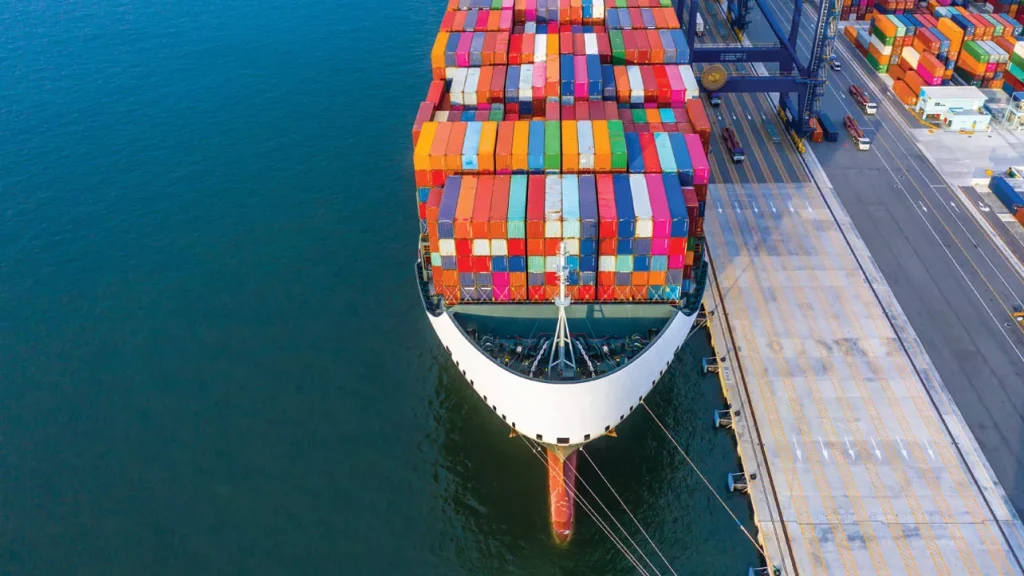
Sea freight involves transporting goods via ocean vessels. Consequently, it is widely used for bulk and large shipments.
Sea Freight Cost Structure
Sea freight is usually calculated based on CBM or container usage.
In addition, shipments are categorized into:
- LCL (Less than Container Load)
- FCL (Full Container Load)
Advantages of Sea Freight
Sea freight offers several benefits:
- Lower cost per unit
- Large cargo capacity
- Ideal for bulk shipments
Limitations of Sea Freight
On the downside:
- Transit time is longer
- Delays may occur due to port congestion
As a result, sea freight is best for businesses focusing on cost efficiency.
Air Freight vs Sea Freight: Key Differences
| Factor | Air Freight | Sea Freight |
|---|---|---|
| Cost | High | Low |
| Speed | 1–7 days | 20–60 days |
| Volume | Limited | Large |
| Reliability | High | Moderate |
| Environmental Impact | Higher | Lower |
Overall, faster shipping increases cost; meanwhile, larger shipment volume reduces cost per unit.
When Should You Choose Air Freight vs Sea Freight?
Choosing the right method depends on your business priorities.
First, choose air freight when:
- Delivery is urgent
- Products are high-value
- Shipment size is small
On the contrary, choose sea freight when:
- You are shipping in bulk
- Cost reduction is your priority
- Delivery timelines are flexible
For tailored logistics solutions, you can visit:
https://qaasfreight.com/
What Factors Affect Freight Shipping Costs?
Freight shipping costs are influenced by multiple factors.
First, weight and volume determine the base rate.
Second, fuel prices fluctuate; therefore, they directly impact shipping costs.
In addition, route demand and seasonal trends also play a role.
As a result, shipping prices are dynamic and require careful evaluation.

Tools to Compare Air vs Sea Freight
Using tools can significantly improve decision-making.
For instance:
- Freight rate calculators
- Carrier pricing tools
For example:
- Air freight (100 kg): approximately $500
- Sea freight (1 CBM): approximately $120
Clearly, selecting the right method can lead to substantial cost savings.
What Should You Do Next?
Now that you understand the difference, the next step is applying this knowledge.
First, prepare shipment details such as dimensions, weight, and destination.
Next, compare multiple freight quotes.
Finally, choose a reliable logistics partner.
If you need expert support, visit:
https://qaasfreight.com/
Conclusion
In conclusion, the difference between air freight and sea freight comes down to speed versus cost.
Air freight is ideal for urgent shipments; however, sea freight is better for large and cost-sensitive cargo. In many cases, businesses benefit from using both methods strategically.
Ultimately, the smarter your shipping decision, the stronger your business margins.
Written by Abu Bakar Butt — Logistics Expert & Founder of Qaas Freight System
Reviewed by Supply Chain Specialist — International Logistics Operations Expert
Disclaimer: This article was created with AI assistance and carefully reviewed by logistics professionals to ensure accuracy.
