Cargo Consolidation Services:
In today’s highly competitive global marketplace, businesses are constantly searching for ways to reduce logistics costs while maintaining reliable and efficient transportation. Whether you are an exporter shipping products from Pakistan to international markets or an importer sourcing goods from multiple suppliers, managing shipping expenses can significantly impact your bottom line.
One of the most effective strategies used by businesses worldwide is cargo consolidation. This logistics solution allows multiple shipments to be combined into a single larger shipment, helping businesses reduce freight costs, improve efficiency, and simplify supply chain management.
As international trade continues to grow, cargo consolidation has become an essential service for small and medium-sized businesses that may not have enough cargo volume to fill an entire container or aircraft pallet. By sharing transportation space with other shipments, businesses can enjoy the benefits of lower shipping costs without sacrificing delivery reliability.
In this guide, we will explore everything you need to know about cargo consolidation services, including how they work, their advantages, challenges, and why they have become a vital part of modern logistics.
What Is Cargo Consolidation?
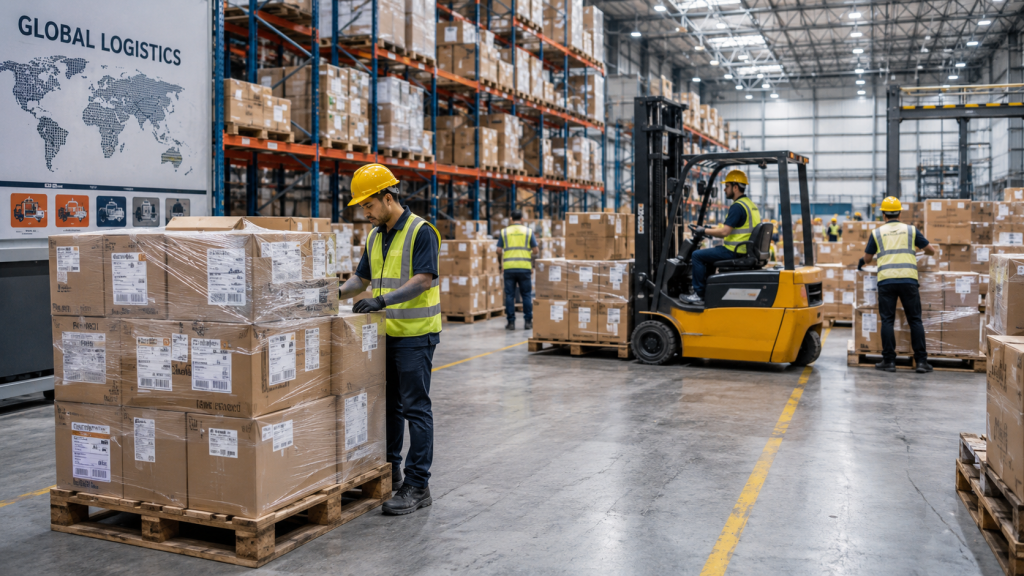
Cargo consolidation is a logistics process where multiple smaller shipments from different suppliers or shippers are combined into one larger shipment. Instead of transporting several small consignments separately, a freight forwarder consolidates them into a single container, pallet, or cargo unit.
Once the consolidated shipment reaches its destination, it is deconsolidated and distributed to the respective recipients.
This process is commonly used in:
- Sea Freight (LCL – Less than Container Load)
- Air Freight Consolidation
- Cross-Border Trucking
- E-commerce Fulfillment
- Amazon FBA Shipments
- International Trade Logistics
Cargo consolidation enables businesses to share transportation costs, making shipping significantly more affordable.
How Cargo Consolidation Works
The cargo consolidation process follows several important steps:
1. Cargo Collection
Products are collected from multiple suppliers or manufacturers and transported to a consolidation warehouse.
For example, an exporter may purchase products from several factories located in different cities. Instead of shipping each order separately, all products are gathered at a central warehouse.
2. Inspection and Documentation
The freight forwarder verifies:
- Cargo dimensions
- Weight
- Packaging quality
- Shipping documents
- Customs requirements
Proper inspection helps prevent delays during transportation.
3. Consolidation
The shipments are carefully organized and loaded into:
- Shipping containers
- Air cargo pallets
- Trucks
- Rail containers
Space utilization is optimized to maximize efficiency.
4. Transportation
The consolidated shipment is transported to its destination using the chosen freight mode.
5. Deconsolidation
Upon arrival, the shipment is unpacked and separated according to individual consignee requirements.
6. Final Delivery
Each shipment is delivered to its final destination through local transportation networks.
Why Cargo Consolidation Is Important in International Trade
Global supply chains have become increasingly complex. Businesses often source products from multiple suppliers located in different regions.
Without cargo consolidation, companies may face:
- Higher freight charges
- Multiple customs clearances
- Increased administrative costs
- Delayed deliveries
- Poor inventory management
Cargo consolidation simplifies the shipping process while reducing overall logistics expenses.
This is especially beneficial for:
- Small exporters
- E-commerce sellers
- Amazon FBA businesses
- Startups
- SMEs
- Importers managing multiple suppliers
Key Benefits of Cargo Consolidation
Significant Cost Savings
The biggest advantage of cargo consolidation is reduced shipping cost.
Since transportation expenses are shared among multiple shipments, businesses pay only for the space they use.
Benefits include:
- Lower freight charges
- Reduced fuel costs
- Lower warehousing expenses
- Better transportation efficiency
For businesses shipping smaller volumes regularly, these savings can be substantial.
Improved Supply Chain Efficiency
Cargo consolidation helps streamline logistics operations.
Instead of managing multiple shipments from various suppliers, businesses can coordinate a single consolidated shipment.
This reduces:
- Administrative workload
- Documentation requirements
- Shipment tracking complexity
- Vendor coordination efforts
The result is a more efficient supply chain.
Better Cargo Security
Consolidated shipments are handled by professional freight forwarders who follow strict cargo management procedures.
Benefits include:
- Reduced handling
- Lower risk of damage
- Improved packaging control
- Enhanced shipment visibility
Proper cargo handling minimizes transportation risks.
Environmental Sustainability
Sustainability has become a major concern in global logistics.
Cargo consolidation reduces:
- Vehicle trips
- Fuel consumption
- Carbon emissions
- Transportation waste
By maximizing container utilization, businesses contribute to greener supply chains.
Access to Global Markets
Small businesses often struggle to compete internationally due to high shipping costs.
Cargo consolidation allows SMEs to:
- Export products globally
- Reach international customers
- Enter new markets
- Improve competitiveness
This creates growth opportunities without requiring large logistics budgets.
Cargo Consolidation in Sea Freight
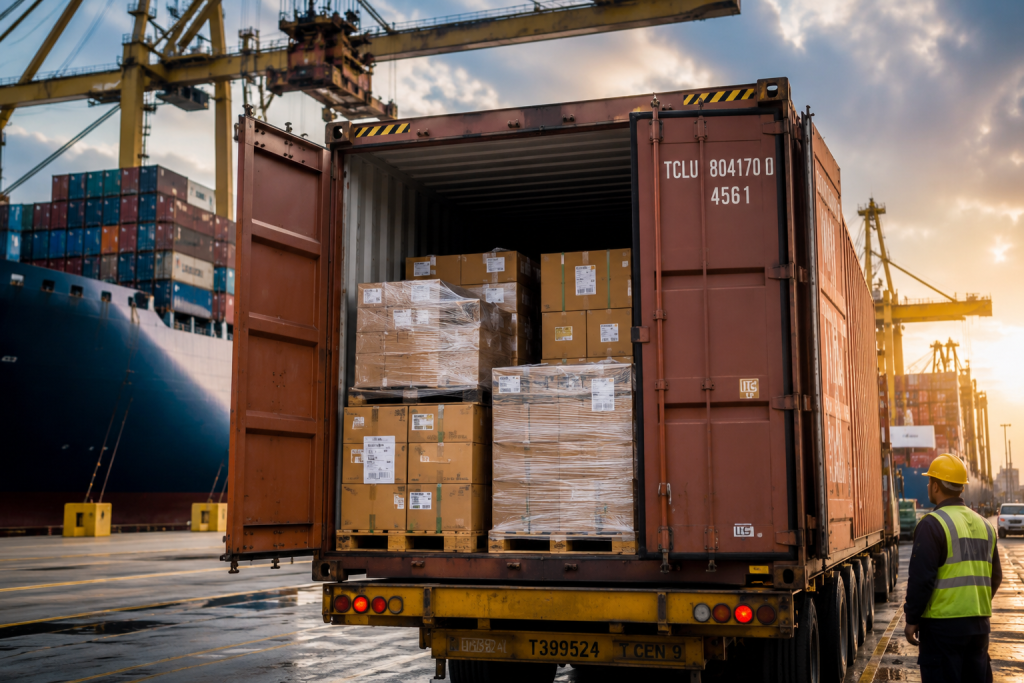
Sea freight consolidation is commonly known as LCL (Less than Container Load) shipping.
When a shipper does not have enough cargo to fill an entire container, the freight forwarder combines multiple shipments into one container.
Advantages of LCL Shipping
- Lower freight costs
- Flexible shipment volumes
- Global port coverage
- Suitable for SMEs
- Reduced inventory burden
LCL is particularly useful for businesses importing or exporting smaller quantities regularly.
Cargo Consolidation in Air Freight
Air freight consolidation works similarly but uses aircraft cargo space instead of shipping containers.
Freight forwarders combine shipments from multiple customers into a single air cargo pallet.
Benefits of Air Freight Consolidation
- Lower air freight costs
- Faster delivery
- Better space utilization
- Simplified handling
- Improved cargo security
This option is ideal for:
- High-value products
- Urgent shipments
- E-commerce orders
- Medical supplies
- Electronics
Cargo Consolidation for Amazon FBA Sellers
Amazon sellers frequently use cargo consolidation to reduce shipping expenses.
Products sourced from multiple factories are consolidated before being shipped to Amazon fulfillment centers.
Benefits include:
- Lower FBA shipping costs
- Simplified customs clearance
- Better inventory planning
- Reduced warehouse fees
- Faster replenishment
For Amazon sellers importing products from Asia, consolidation can dramatically improve profitability.
Common Industries Using Cargo Consolidation
Many industries rely heavily on cargo consolidation services.
Manufacturing
Manufacturers often source components from multiple suppliers before shipping finished products internationally.
Retail
Retailers consolidate inventory from different vendors to reduce logistics costs.
E-commerce
Online businesses use consolidation to manage international fulfillment efficiently.
Automotive
Automotive companies frequently consolidate spare parts and components.
Healthcare
Medical equipment suppliers use consolidation to optimize transportation costs.
Textile Industry
Garment manufacturers and exporters often combine shipments to maximize container utilization.
Challenges of Cargo Consolidation
Although cargo consolidation offers many benefits, there are some challenges businesses should understand.
Scheduling Delays
Consolidated shipments may wait until enough cargo is available to fill a container or pallet.
Additional Handling
Cargo may be handled multiple times during consolidation and deconsolidation.
Documentation Complexity
Accurate paperwork is essential when multiple shipments share transportation space.
Customs Coordination
Different products may have varying customs requirements.
Working with experienced freight forwarders helps overcome these challenges effectively.

How to Choose the Right Cargo Consolidation Partner
Selecting the right freight forwarder is critical to success.
Consider the following factors:
Industry Experience
Choose a logistics provider with proven experience in cargo consolidation.
Global Network
A strong international network ensures smooth transportation and destination handling.
Technology and Tracking
Real-time shipment visibility improves planning and customer satisfaction.
Customs Expertise
The provider should understand international customs regulations.
Competitive Pricing
Evaluate service quality alongside freight costs.
Customer Support
Reliable communication is essential throughout the shipping process.
Why Businesses Are Switching to Cargo Consolidation
The logistics industry continues to evolve.
Businesses face increasing challenges such as:
- Rising freight rates
- Supply chain disruptions
- Fuel cost fluctuations
- Competitive market pressures
Cargo consolidation provides a practical solution by reducing transportation expenses while maintaining service quality.
Companies that leverage consolidation strategies often achieve:
- Higher profit margins
- Better inventory control
- Improved customer satisfaction
- Enhanced global competitiveness
Future Trends in Cargo Consolidation
The future of cargo consolidation is being shaped by technology and digital transformation.
Emerging trends include:
AI-Powered Logistics
Artificial intelligence helps optimize cargo planning and route selection.
Real-Time Tracking
Advanced tracking systems improve shipment visibility.
Sustainable Transportation
Green logistics initiatives continue driving consolidation adoption.
Digital Freight Platforms
Online booking systems simplify shipment management.
Smart Warehousing
Automation improves consolidation efficiency and accuracy.
These innovations will further enhance the value of cargo consolidation services in global trade.

Conclusion
Cargo consolidation has become one of the most effective logistics solutions for businesses involved in international trade. By combining multiple shipments into a single transportation unit, companies can significantly reduce freight costs, improve operational efficiency, and gain access to global markets without the expense of full-container or dedicated freight services.
Whether you are an exporter, importer, Amazon FBA seller, manufacturer, or e-commerce business, cargo consolidation offers a strategic advantage in today’s competitive marketplace. As transportation costs continue to rise and supply chains become more complex, leveraging professional cargo consolidation services can help businesses remain agile, profitable, and sustainable.
Partnering with an experienced freight forwarding company ensures that your shipments are handled efficiently, customs requirements are met, and cargo reaches its destination safely and cost-effectively. For businesses seeking smarter logistics solutions, cargo consolidation remains one of the most powerful tools for optimizing global supply chains and achieving long-term growth.