Every product you use today has one thing in common—it traveled as cargo before reaching your hands.
Whether it’s a smartphone manufactured in China, surgical instruments exported from Pakistan, coffee beans imported from Brazil, or fashion apparel shipped to Europe, cargo transportation makes international trade possible.
Yet many businesses think cargo simply means “sending goods from one place to another.”
The reality is much more complex.
Cargo shipping is about selecting the right transportation mode, minimizing costs, reducing transit time, managing customs procedures, protecting goods, and ensuring deliveries reach customers exactly when expected.
In today’s competitive market, businesses that understand cargo logistics gain a significant advantage over those that don’t.
Let’s explore how cargo shipping works and why it has become the backbone of modern commerce.
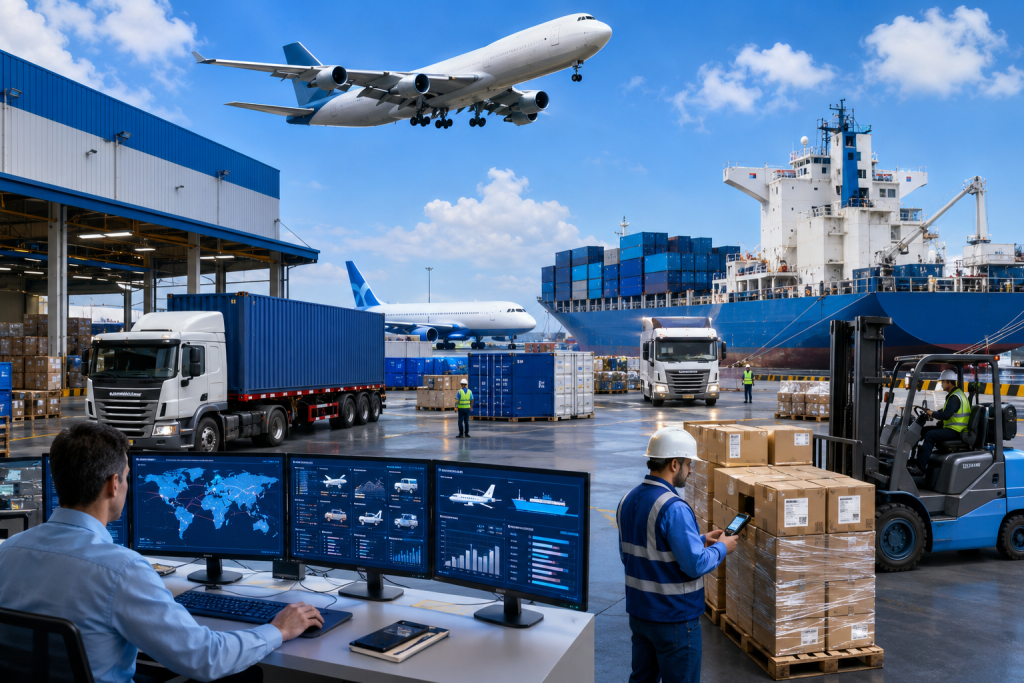
What Exactly Is Cargo?
Cargo refers to goods transported from one location to another for commercial purposes.
Unlike regular parcel delivery, cargo generally involves larger shipments, commercial goods, industrial equipment, or bulk products moving domestically or internationally.
Examples include:
- Medical equipment
- Textile products
- Sports goods
- Surgical instruments
- Machinery
- Electronic products
- Automotive parts
- Agricultural products
- Chemicals
- Industrial raw materials
Cargo can move through multiple transportation methods depending on urgency, budget, and destination.
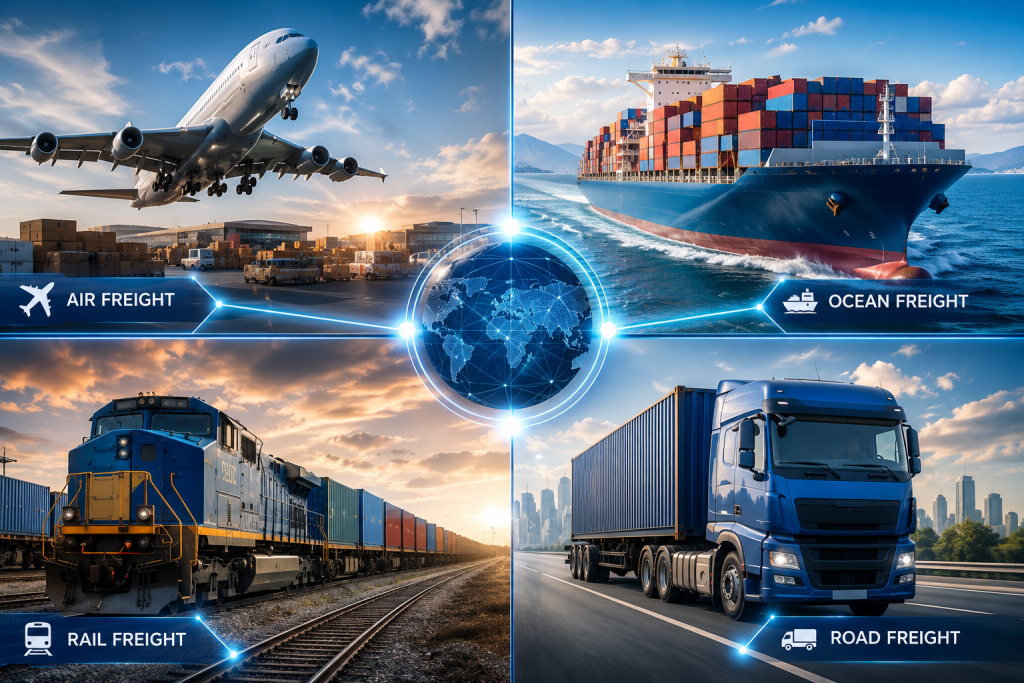
Types of Cargo Transportation
Air Cargo
Air cargo is the fastest shipping solution available.
Businesses choose air freight when products are:
- Time-sensitive
- High-value
- Lightweight
- Urgently required
Common industries using air cargo include:
- Medical supplies
- Electronics
- Fashion
- Automotive parts
- Aerospace
- E-commerce
Advantages
- Fastest delivery
- Better shipment security
- Lower inventory holding cost
- Reliable schedules
- Global airport connectivity
Best For
- Urgent exports
- Sample shipments
- High-value products
- Perishable goods
Sea Cargo
Sea freight handles approximately 90% of global trade by volume, making it the most economical transportation option for large shipments.
Sea cargo is suitable for:
- Full Container Load (FCL)
- Less than Container Load (LCL)
- Heavy machinery
- Industrial equipment
- Bulk commodities
Advantages
- Lowest transportation cost
- Suitable for heavy cargo
- Large shipment capacity
- Environmentally efficient for bulk freight
Road Cargo
Road transportation connects factories, warehouses, airports, and seaports.
Without trucking services, international cargo couldn’t complete its journey.
Road cargo provides:
- Door-to-door delivery
- Domestic distribution
- Last-mile transportation
- Flexible scheduling
Rail Cargo
Rail freight is increasingly used for inland transportation because it offers:
- Lower fuel consumption
- High carrying capacity
- Reduced environmental impact
- Reliable schedules
Choosing the Right Cargo Method
Every shipment is unique.
The ideal transportation method depends on several factors.
Shipment Value
High-value products generally benefit from air freight because of shorter transit times and enhanced security.
Delivery Deadline
Urgent customer orders often require air cargo, while flexible schedules can benefit from cost-effective sea freight.
Shipment Size
Small shipments may use LCL or consolidated air cargo.
Large shipments often move in FCL containers.
Destination
Some countries have stronger airport connectivity, while others rely more heavily on seaports.
Choosing the correct route can significantly reduce transit time.
The Cargo Shipping Process
Professional freight forwarding companies simplify the cargo journey into several stages.
Step 1: Booking
The shipper provides shipment details including:
- Weight
- Dimensions
- Commodity
- Destination
- Required delivery date
Step 2: Pickup
Cargo is collected from the supplier or factory and transported to the freight terminal.
Step 3: Documentation
Essential shipping documents include:
- Commercial Invoice
- Packing List
- Air Waybill or Bill of Lading
- Export Declaration
- Certificates (if required)
Step 4: Customs Clearance
Authorities inspect documentation and verify compliance with import/export regulations.
Accurate paperwork prevents unnecessary delays.
Step 5: International Transportation
Cargo travels via:
- Aircraft
- Ocean vessel
- Truck
- Rail
Depending on the selected shipping method.
Step 6: Destination Clearance
Once cargo reaches the destination country, import customs procedures begin.
After clearance, shipments are released for delivery.
Step 7: Final Delivery
Cargo reaches the consignee’s warehouse, distribution center, retail location, or Amazon fulfillment center.

Common Cargo Challenges
Even experienced exporters encounter shipping difficulties.
These include:
Customs Delays
Incomplete paperwork often causes clearance issues.
Incorrect Packaging
Poor packaging increases the risk of cargo damage during transit.
Rising Freight Costs
Fuel prices, seasonal demand, and global events can affect shipping rates.
Limited Cargo Space
Peak seasons may reduce airline or vessel availability.
Lack of Shipment Visibility
Without tracking systems, businesses struggle to monitor cargo status.
Working with an experienced freight forwarder helps reduce these risks.
How Technology Is Transforming Cargo Shipping
Modern logistics is becoming smarter every year.
Today’s cargo industry uses technologies such as:
- Real-time shipment tracking
- AI-powered route optimization
- Electronic documentation
- Warehouse automation
- GPS fleet monitoring
- Digital customs processing
- Predictive logistics analytics
These innovations improve speed, reduce errors, and enhance customer satisfaction.
Tips to Reduce Cargo Shipping Costs
Businesses can lower logistics expenses by following a few practical strategies:
- Plan shipments in advance.
- Consolidate smaller shipments whenever possible.
- Use sea freight for non-urgent cargo.
- Optimize packaging to reduce dimensional weight.
- Ensure shipping documents are accurate.
- Compare transportation options before booking.
- Partner with an experienced freight forwarding company.
Even small improvements in shipping strategy can generate significant annual savings.

Why Choosing the Right Freight Partner Matters
Cargo shipping is far more than moving products from one country to another.
A dependable logistics partner helps businesses:
- Select the most efficient transportation mode
- Reduce shipping costs
- Prepare accurate documentation
- Navigate customs regulations
- Monitor shipments in real time
- Minimize delays and disruptions
- Deliver products on schedule
This allows companies to focus on sales, production, and customer growth while logistics professionals handle the complexities of global transportation.
Final Thoughts
Cargo shipping powers international business, connecting manufacturers, suppliers, retailers, and customers across the world. Whether you’re exporting surgical instruments from Pakistan, importing machinery, or supplying products to overseas marketplaces, an efficient cargo strategy can improve profitability, customer satisfaction, and long-term growth.
Success isn’t just about moving goods—it’s about moving them smartly. By choosing the right transport mode, planning shipments carefully, leveraging modern logistics technology, and working with a trusted freight forwarding partner, businesses can reduce costs, avoid delays, and build a stronger global presence.
As international trade continues to evolve, companies that invest in smarter cargo solutions will be better positioned to compete in an increasingly connected world.