

Shipping cost optimization is the process of reducing logistics expenses through smarter shipping methods, packaging, and planning.
Shipping costs can quietly reduce your profits. Many exporters overpay without realizing it.
However, most costs can be controlled with the right strategy.
In this guide, you will learn practical ways to reduce shipping costs and improve margins.
Key Takeaways
- Shipping costs depend on weight, volume, destination, and speed.
- Reducing costs can improve profit margins by up to 30%.
- Shipment consolidation lowers per-unit shipping expenses significantly.
- Choosing the right shipping mode impacts overall cost.
- Packaging optimization reduces volumetric weight charges.
- Negotiating rates creates long-term savings.
- Freight forwarders help reduce hidden logistics costs.
What is Shipping Cost Optimization
Shipping cost optimization is the process of reducing logistics expenses without affecting delivery performance.

It involves analyzing freight charges, packaging, and shipping methods.
In addition, it focuses on improving efficiency across the supply chain.
International shipping costs are calculated based on weight, volume, destination, and service type.
Therefore, even small changes can lead to major savings.
Why Shipping Cost Optimization Matters
Shipping cost optimization matters because it directly impacts your profit margins and competitiveness.
High shipping costs reduce your ability to compete globally.
However, optimized logistics allows you to offer better pricing.
According to logistics studies, shipping expenses can account for 10–20% of total product cost.
Therefore, reducing costs improves both pricing and scalability.
In addition, efficient shipping improves customer satisfaction and delivery speed.
How Are Shipping Costs Calculated
Shipping costs are calculated using weight, volumetric weight, distance, and service level.
Carriers compare actual weight with volumetric weight.
They charge based on whichever is higher.
Volumetric weight is used when shipment size exceeds its actual weight.
Key Cost Factors
- Actual weight vs volumetric weight
- Destination zone
- Delivery speed (express vs standard)
- Fuel surcharges and taxes
Therefore, understanding these factors helps you control expenses.
Proven Ways to Reduce Shipping Costs
Reducing shipping costs involves optimizing packaging, shipping methods, and carrier agreements.
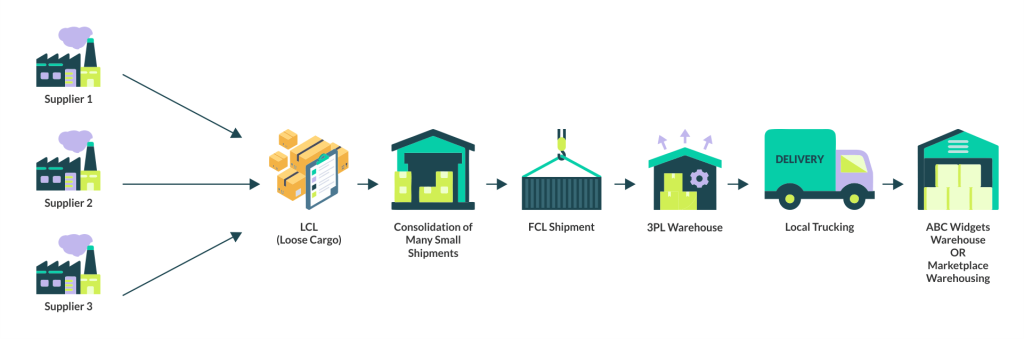
Consolidate Shipments
Shipment consolidation combines multiple orders into one shipment.
As a result, you reduce cost per unit.
Studies show consolidation can reduce costs by 20–25%.
Choose the Right Shipping Mode
Selecting the correct shipping method is critical.
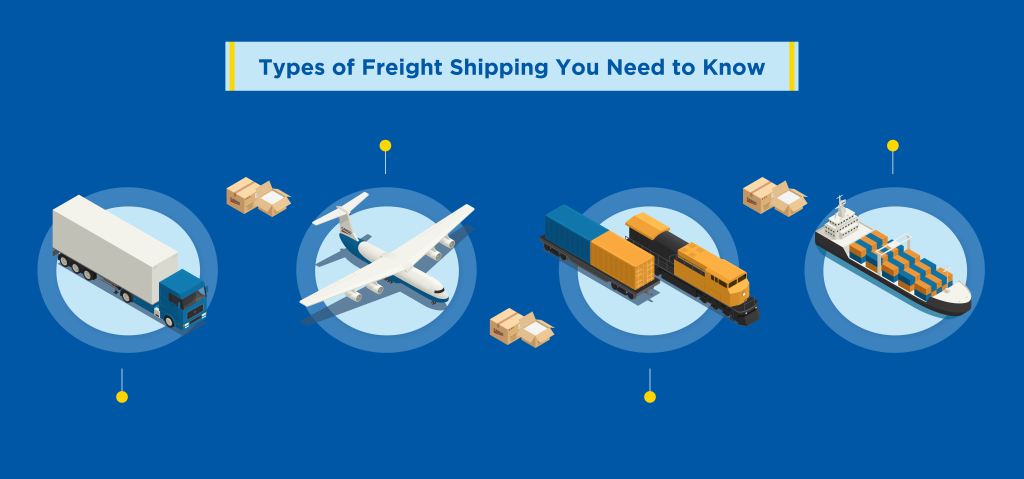
- Air freight: Fast but expensive
- Sea freight: Cost-effective for bulk shipments
- Courier services: Best for small parcels
You can explore <a href=”https://qaasfreight.com/”>air freight services</a> or <a href=”https://qaasfreight.com/”>sea freight solutions</a> depending on your needs.
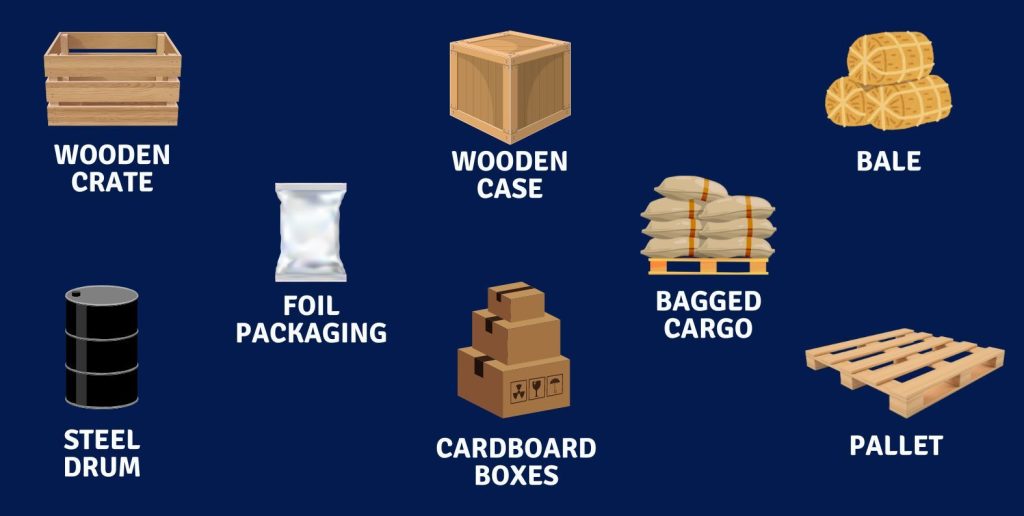
Optimize Packaging
Packaging optimization reduces dimensional weight charges.
Therefore, using smaller and lighter packaging lowers costs.
Key tips:
- Use compact packaging
- Avoid empty space
- Use lightweight materials
Negotiate Shipping Rates
Negotiating rates with carriers reduces long-term expenses.
However, many exporters ignore this step.
If you ship regularly, you can secure discounted rates.
Use Freight Forwarders
Freight forwarders manage shipping, customs, and logistics planning.
Therefore, they help reduce hidden costs and delays.
You can work with a reliable <a href=”https://qaasfreight.com/”>freight forwarding service</a> to streamline operations.
Types of Shipping Options
Shipping options include air freight, sea freight, and courier services, each with different cost structures.
Air Freight
- Fast delivery (3–7 days)
- Higher cost
- Best for urgent shipments
Sea Freight
- Low cost per unit
- Longer transit time
- Ideal for bulk cargo
Courier Services
- Door-to-door delivery
- Higher rates for heavy shipments
- Suitable for small packages
Step-by-Step Process to Reduce Shipping Costs
A structured process helps exporters consistently reduce logistics expenses.
- Audit your current shipping costs
- Identify cost-heavy shipments
- Optimize packaging and dimensions
- Compare shipping methods
- Consolidate shipments
- Negotiate with carriers
- Partner with a logistics provider
In addition, using a trusted <a href=”https://qaasfreight.com/”>logistics company in Pakistan</a> can simplify this process.
Tools and Real Examples
Shipping tools help exporters compare costs and improve decision-making.
Useful Tools
- Freight calculators
- Courier comparison tools
- Volumetric weight calculators
Real Example
A shipment from Pakistan to the USA can vary significantly in cost.
- Air freight: Fast but expensive
- Sea freight: Up to 60% cheaper for bulk shipments
Therefore, choosing the right method directly impacts profitability.
Next Steps
Taking action is essential to reduce shipping costs effectively.
Start with these steps:
- Review your current shipping expenses
- Test consolidation strategies
- Optimize packaging immediately
- Compare carriers regularly
- Work with logistics experts
Shipping cost optimization is not a one-time task.
Instead, it requires continuous improvement.
Conclusion
Reducing shipping costs is one of the fastest ways to increase profit margins in exporting.
Small changes can lead to significant savings.
Therefore, focusing on optimization gives you a competitive edge.
“Smart logistics is not about spending less, but spending wisely.”
When you apply these strategies, you will improve efficiency and profitability.
Author + Disclaimer
Author: Abu Bakar Butt – Logistics Expert & Founder of Qaas Freight System
This content is for informational purposes only. Shipping costs may vary based on market conditions, carriers, and regulations. Always consult a logistics expert before making decisions.
