When businesses think about cargo shipping, they usually focus on one question:
“How much will it cost?”
But experienced importers and exporters know that the cheapest shipment can become the most expensive if something goes wrong.
A delayed shipment can stop production, disappoint customers, increase storage charges, and even cause businesses to lose contracts.
The surprising part?
Most cargo delays are preventable.
After years of handling international shipments, we’ve found that many businesses make the same mistakes repeatedly. Here are ten common ones—and how you can avoid them.
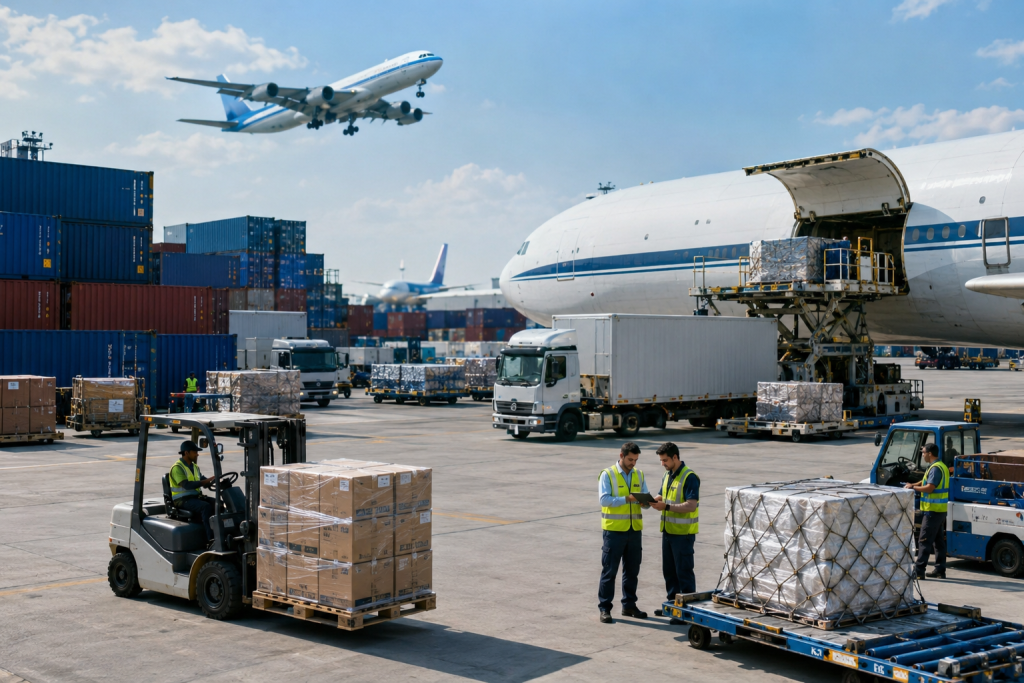
1. Booking Cargo Too Late
Many companies wait until production is complete before contacting a freight forwarder.
By then:
- Airline space may be full.
- Vessel departures may be delayed.
- Freight rates may have increased.
Planning your shipment even a week earlier can reduce costs and provide more transport options.
2. Choosing the Cheapest Freight Quote
A low shipping rate often excludes important charges such as:
- Customs clearance
- Documentation
- Terminal handling
- Destination fees
- Delivery charges
Always compare the total shipping cost, not just the freight rate.
3. Incorrect Cargo Dimensions
Many shipping quotations change after cargo is measured.
Even small errors in:
- Weight
- Length
- Width
- Height
can significantly affect pricing, especially for air freight.
Measure carefully before requesting a quotation.
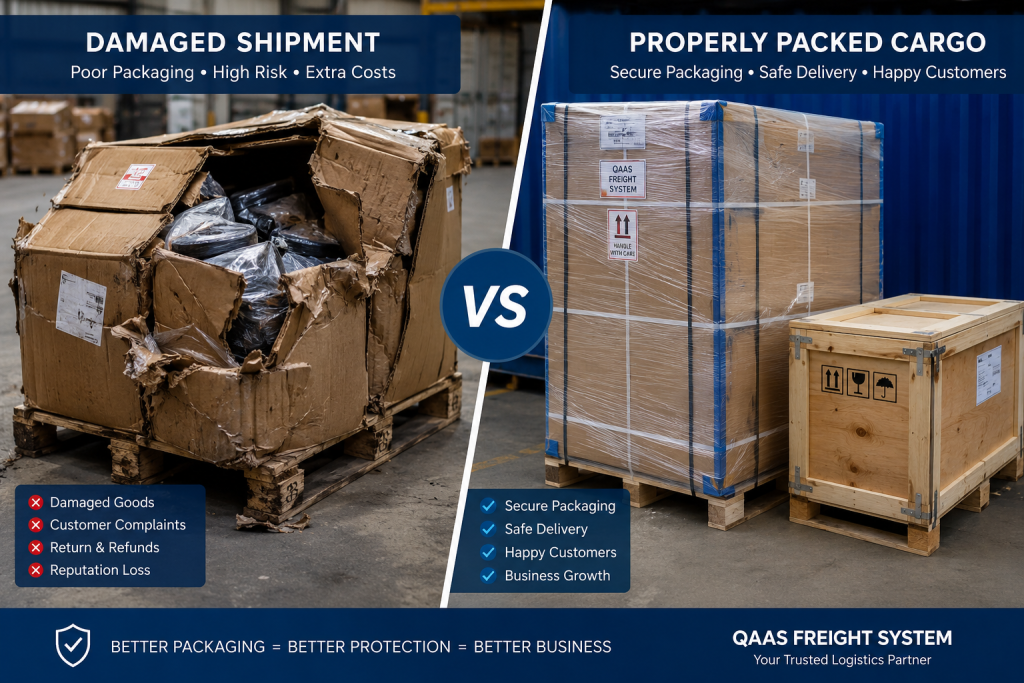
4. Weak Packaging
Cargo doesn’t travel directly from one truck to another.
It may pass through:
- Warehouses
- Airports
- Seaports
- Customs inspections
- Multiple loading points
Poor packaging greatly increases the chance of damage.
Investing in quality packing materials is much cheaper than replacing damaged goods.
5. Ignoring Customs Requirements
One missing document can delay cargo for days.
Common missing documents include:
- Commercial Invoice
- Packing List
- Certificate of Origin
- Import permits
- Product certifications
Preparing paperwork before shipping keeps cargo moving smoothly.
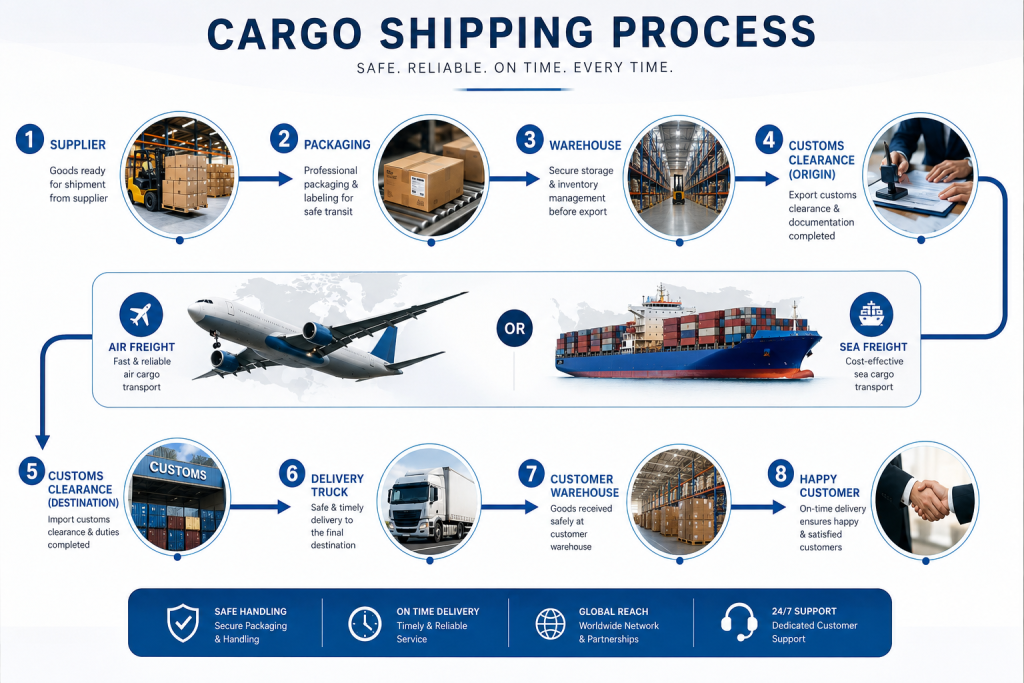
6. Choosing the Wrong Transport Mode
Not every shipment belongs on an airplane.
Not every shipment belongs on a vessel.
Smart logistics means selecting transport based on:
- Delivery deadline
- Budget
- Cargo value
- Product type
The right transport method saves both time and money.
7. Not Buying Cargo Insurance
Many businesses assume nothing will happen during transit.
Fortunately, most shipments arrive safely.
However, accidents, theft, weather disruptions, and handling damage can occur unexpectedly.
Cargo insurance provides financial protection and peace of mind.
8. Poor Communication
Many shipment delays happen simply because suppliers, freight forwarders, and buyers aren’t sharing updates.
Clear communication helps everyone respond quickly to schedule changes, customs requests, or transportation issues before they become costly problems.
9. Forgetting About Peak Shipping Seasons
Freight prices rise dramatically during:
- Holiday shopping periods
- Chinese New Year
- Black Friday
- Major global trade events
Shipping before peak season often means:
- Lower costs
- Better space availability
- Faster transit
10. Working Without a Logistics Partner
Cargo shipping isn’t just transportation.
It’s planning.
It’s documentation.
It’s customs compliance.
It’s tracking.
It’s solving unexpected problems before they affect your business.
An experienced freight forwarder acts as your logistics partner—not just your transporter.
A Simple Cargo Checklist Before Every Shipment
Before booking your next shipment, ask yourself:
✔ Are the cargo dimensions accurate?
✔ Are all shipping documents complete?
✔ Is the packaging export-ready?
✔ Have you selected the best transport mode?
✔ Have you checked customs requirements?
✔ Is cargo insured?
✔ Have you planned ahead to avoid peak-season delays?
Completing this checklist can help prevent many common shipping issues.

Final Thoughts
Successful cargo shipping isn’t about finding the lowest freight rate—it’s about making informed decisions that protect your business. From planning ahead and preparing accurate documentation to choosing the right transport mode and working with an experienced logistics partner, every step plays a role in ensuring smooth and reliable deliveries.
At Qaas Freight System, we believe cargo shipping should be predictable, transparent, and efficient. By helping businesses avoid common shipping mistakes and providing tailored logistics solutions, we ensure your cargo reaches its destination safely, on time, and within budget—allowing you to focus on growing your business with confidence.